
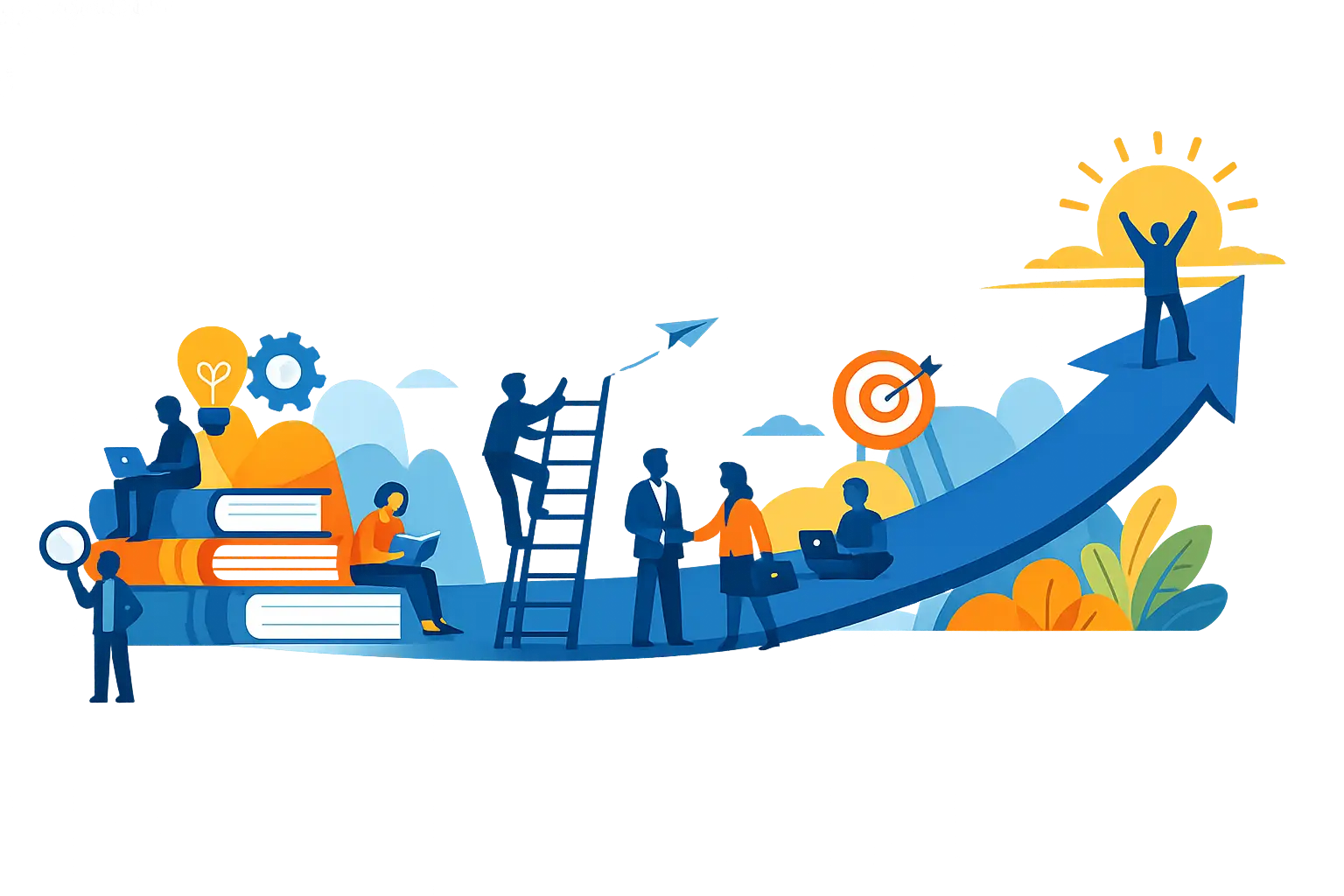
Employee learning and development has become a critical focus for organizations looking to stay competitive, retain talent, and prepare for long-term growth. As roles evolve and technology advances, companies that invest in their workforce gain a measurable advantage in performance, engagement, and adaptability.
This guide explains what employee learning and development is, why it matters, and how it supports both individual and business success.
What Is Employee Learning and Development
Employee learning and development refers to structured efforts that help employees build new skills, improve existing ones, and grow professionally within an organization. These initiatives go beyond onboarding and include ongoing education aligned with business needs.
Common elements of employee learning and development include:
Skills training and upskilling programs
- Leadership and management development
- Compliance and regulatory training
- Mentorship and coaching initiatives
- Online courses, workshops, and certifications
Why Employee Learning and Development Is Important for Growth
Employee learning and development is essential for sustainable organizational growth. As markets change, businesses need employees who can adapt, innovate, and take on new responsibilities.
- A strong learning strategy supports growth by:
- Preparing employees for expanded roles
- Closing skills gaps that slow productivity
- Encouraging innovation and problem-solving
- Supporting internal promotions and succession planning
How Employee Learning and Development Improves Performance
Well-designed learning programs directly impact employee performance by increasing competence and confidence. When employees understand how to do their jobs better, they make fewer mistakes and deliver higher-quality results.
Performance improvements often come from:
- Clear skill development aligned with job roles
- Ongoing feedback and coaching
- Training that reflects real workplace challenges
- Access to learning at the point of need
The Role of Employee Learning and Development in Retention
Employee learning and development plays a major role in retaining top talent. Employees are more likely to stay with organizations that invest in their professional growth and career progression.
Retention benefits include:
Higher job satisfaction and morale
Reduced turnover and hiring costs
Stronger employee loyalty
Clear career pathways within the company
Benefits of Employee Learning and Development for Employers
Employee learning and development delivers measurable advantages for employers across multiple areas of the business. These benefits extend beyond individual employees to overall organizational performance.
Key employer benefits include:
- Increased productivity and efficiency
- Stronger leadership pipelines
- Improved workforce agility
- Reduced skills shortages
- Better alignment between talent and business strategy
Impact of Training on Employee Engagement
Training has a direct impact on employee engagement by showing employees that their growth matters. Engaged employees are more motivated, focused, and committed to their work.
Effective training improves engagement by:
- Creating a sense of purpose and progression
- Encouraging collaboration and knowledge sharing
- Building confidence in job performance
- Reducing burnout caused by skill gaps
Building a Culture of Continuous Improvement
A culture of continuous improvement depends on consistent employee learning and development. Organizations that prioritize learning encourage curiosity, accountability, and innovation at every level.
This culture is supported through:
- Leadership participation in learning initiatives
- Regular skills assessments and development plans
- Open feedback and knowledge sharing
- Recognition of learning achievements
Skills Development and Future Workforce Readiness
Employee learning and development is critical for preparing the future workforce. As automation, AI, and digital tools reshape jobs, continuous skills development ensures employees remain relevant.
Future-focused learning supports:
- Digital and technical skill advancement
- Soft skills such as communication and adaptability
- Cross-functional knowledge
- Workforce resilience during change
How Training Programs Support Business Goals
Training programs are most effective when aligned with business goals. Employee learning and development should directly support organizational priorities such as growth, efficiency, and customer satisfaction.
Aligned training programs help by:
- Improving operational performance
- Supporting innovation and transformation initiatives
- Strengthening customer service capabilities
- Enabling faster adoption of new systems and processes
Measuring the ROI of Workforce Development Programs
Measuring the return on investment (ROI) of employee learning and development helps organizations refine and justify their training efforts. Clear metrics ensure learning programs deliver real business value.
- Common ways to measure ROI include:
- Performance and productivity improvements
- Employee retention and turnover rates
- Promotion and internal mobility data
- Engagement survey results
Cost savings from reduced errors or rework
Final Thoughts
Employee learning and development is no longer optional—it is a strategic necessity. Organizations that prioritize continuous learning build stronger teams, improve performance, and position themselves for long-term success in an ever-changing workplace.